
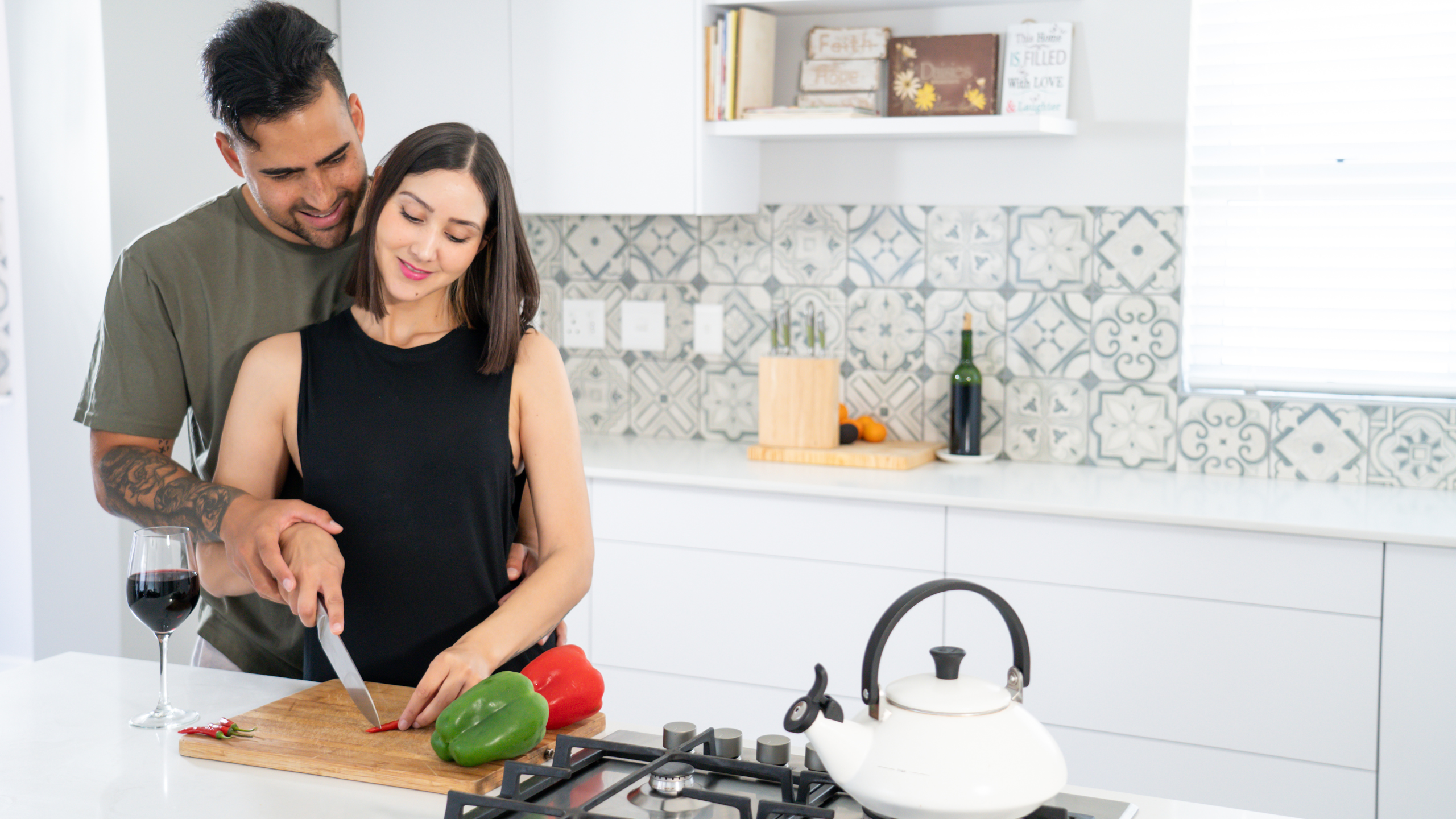
Forget the predictable dinner reservation. The most magnetic, laughter-filled, and genuinely romantic evenings happen when couples step into the kitchen together — not just to cook, but to compete.
A romantic cooking challenge transforms a mundane weeknight into an electrifying event charged with flirtation, creativity, and the kind of playful tension that deepens real connection. Add well-crafted punishments for the loser, and you have a date night formula that couples return to again and again.
This guide delivers everything you need to design, run, and win at the most intimate kitchen showdown of your relationship.
Why Romantic Cooking Challenges Are Taking Over Date Night
The rise of couple cooking challenges is not accidental. Across social media, relationship blogs, and couples therapy spaces alike, shared creative challenges are consistently identified as one of the most powerful tools for rekindling intimacy and generating what psychologists call “positive shared affect” — simply put, the joy that bonds people.
When couples cook together under friendly competition, several things happen simultaneously. They communicate under pressure, negotiate creative decisions, reveal personality quirks, and laugh at the inevitable disasters. These are precisely the conditions under which emotional intimacy deepens.
Romantic cooking classes for couples have capitalized on this insight for years. But a private challenge at home adds an irreplaceable ingredient: consequence. Punishments — playful, flirty, or funny — add a layer of stakes that make every chopping decision feel thrilling. The loser does not just lose. The loser has to do something that creates connection, humor, or romance.
That distinction is what separates a forgettable evening from one that couples talk about for years.
Also Read:-
Funny Chores as Bet Punishments for Boyfriend: 30+ Hilarious Ideas for Couples
Digital Detox Dares for Couples Weekend: 16 Expert-Level Challenges to Reconnect in 2026
The Anatomy of a Perfect Romantic Cooking Challenge
Before diving into punishment ideas, understanding the structure of a well-designed couples cooking challenge matters enormously. The best challenges balance skill, creativity, and randomness so that no single outcome feels unfair.
The Core Elements
A clear theme or constraint. Challenges without structure become chaotic. The most successful romantic food challenges operate within defined parameters: a single hero ingredient, a specific cuisine, a 30-minute time limit, or a budget cap. Constraints force creativity and level the playing field.
Defined judging criteria. Who judges? Both partners can score each other’s dish, or you can invite a mutual friend as a neutral judge. Categories might include presentation, flavor, creativity, and how well the dish matched the theme. Defining criteria in advance prevents disputes and adds legitimacy to the winner’s crown.
Transparent punishment selection. Punishments should be agreed upon before the challenge begins, not after. This ensures both partners are comfortable with consequences and removes any post-game negotiation that might drain the fun. Write three to five options on slips of paper and draw randomly after the results.
A romantic couple cooking together ethos. Even in competition, the atmosphere should be collaborative at its core. Music, candles, a glass of wine poured for both parties — the environment amplifies everything. Competition is the spark; romance is the container.
Romantic Cooking Challenge Punishments: The Complete Playbook
This is where the evening becomes truly memorable. Punishments fall into four categories: flirty and intimate, romantically sweet, laugh-out-loud funny, and genuinely useful. The best couples keep a rotating menu from all four.
Category 1: Flirty and Intimate Punishments
These punishments are designed to create physical closeness, playful tension, and the kind of charged atmosphere that naturally leads to deeper connection.
Feeding the winner dessert blindfolded. The loser must prepare a small dessert — a few chocolate-dipped strawberries, a scoop of ice cream with toppings, or a cheese board — and feed it to the winner while blindfolded. The combination of sensory deprivation and intimacy creates a surprisingly romantic dynamic. The loser has to rely entirely on verbal cues from the winner, which sparks communication and laughter in equal measure.
The compliment-per-bite rule. For every bite of the winning dish the loser eats, they must deliver a genuine, specific compliment about the winner. Not generic flattery — real observations. “The balance of acidity in your sauce showed real restraint” counts. “You’re great” does not. This punishment is deceptively powerful because it trains both partners in the art of specific appreciation.
The Sous Chef Swap. For the next cooking challenge, the loser must serve as the winner’s sous chef for the first 15 minutes — following every instruction without question. Couples who try this report that it reveals fascinating things about how each partner naturally takes charge or delegates.
Back massage while narrating the meal. The loser provides a five-minute shoulder or hand massage while describing, in poetic or dramatic terms, what they would have cooked if they had won. This is deliberately silly and tender at the same time — a combination that works exceptionally well.
Cook the winner’s childhood comfort food. The loser must research and recreate a dish the winner loved as a child, served within the following week. This punishment extends the fun beyond the evening itself and has the added benefit of producing a meal deeply connected to personal history and memory.
Category 2: Romantically Sweet Punishments
These are gestures of genuine affection dressed up as competitive consequences. They work beautifully because they feel both silly and sincere.
Write a love poem about the winning dish. The loser must compose a short poem — at least eight lines — about the winner’s dish and read it aloud at the dinner table. Rules: it must rhyme at least partially, it must be specific about the dish, and it must contain at least one line that is unambiguously romantic. This punishment produces both hilarity and genuine warmth.
The Appreciation Letter. Before bed, the loser writes a handwritten letter listing ten things they genuinely admire about the winner. It is sealed, handed over, and the winner can read it privately. This punishment consistently gets cited by couples as unexpectedly meaningful — a small act of structured vulnerability that costs the writer almost nothing and means the world to the reader.
Plan and execute the next three date nights. The loser takes full creative responsibility for planning the next three date nights, with a budget agreed upon in advance. The winner gets to be surprised. This is perhaps the most practically romantic punishment on the list because it produces real experiences rather than a single gesture.
A private cooking tutorial. The loser must teach the winner one skill they have — whether kitchen-related or not — in a dedicated 30-minute session. This might be how to properly sharpen a knife, how to make fresh pasta, how to create a cocktail, or how to fold a fitted sheet. It creates an intimate teaching dynamic and gives both partners a new shared memory.
The Midnight Snack Delivery. Later that night, the loser sneaks into the kitchen and prepares a small, thoughtful snack — something the winner loves — and delivers it in bed with a handwritten note. Simple, but the specificity of timing makes it feel special.
Category 3: Funny and Lighthearted Punishments
These are the punishments that make a couples cooking challenge genuinely hilarious. They should feel ridiculous, not humiliating — the key distinction is that both partners should be laughing equally.
Do the dishes while serenading your partner. The loser cleans the entire kitchen — every pot, pan, cutting board, and surface — while performing a dramatic, continuous musical narration of their cleaning process. Style is required. Choosing a genre beforehand (opera, 80s power ballad, hip-hop) makes this even better.
Mystery ingredient roulette for the next challenge. The loser must spin a wheel (or draw from a jar) of five unusual ingredients, and whatever they land on becomes their mandatory hero ingredient in the next cooking challenge. Ingredients in the jar might include tinned anchovies, black licorice, blue cheese, durian paste, or pickled herring. The threat alone changes how seriously both partners approach future competitions.
The Gordon Ramsay Commentary. The loser must watch a five-minute clip of their partner cooking something — even something simple — and provide a live, Gordon Ramsay-style critique in real time: dramatic, specific, slightly outraged. This is funnier than it sounds and works best when the “critic” commits fully to the bit.
Grocery shopping dressed as a character. For the next cooking challenge, the loser must do the grocery run dressed in a costume or themed outfit selected by the winner. The winner picks something achievable but mildly embarrassing: a chef’s hat and apron, a formal ball gown, or head-to-toe in the winner’s favorite sports team colors.
The Mystery Menu. The loser must cook an entire surprise dinner for the winner within the next two weeks, revealing absolutely nothing about the menu in advance. The winner sits down to a meal they had zero input on, prepared entirely according to the loser’s creative choices. This is a punishment that delivers a genuinely romantic experience as its consequence.
Category 4: Useful Punishments That Still Feel Like Consequences
Not every punishment needs to be theatrical. Some of the most satisfying consequences are the ones that produce real-world value while still carrying the sting of defeat.
Kitchen duty for one week. The loser handles all cooking-related cleanup for seven days: dishes, counters, loading and unloading the dishwasher, wiping down appliances. This is a real consequence with real utility, and it gives the winner a genuine week of relief.
Grocery run responsibility for one month. The loser takes over all grocery planning, list-building, and shopping for 30 days. This includes checking the pantry, planning meals in advance, and adapting to dietary needs. It sounds mundane, but couples who assign this punishment consistently report that it reveals how much invisible planning typically falls to one partner — and recalibrates appreciation accordingly.
The Meal Prep Marathon. The loser spends a Sunday afternoon batch-cooking three to five dishes for the week ahead. The winner selects the dishes, and the loser executes. The household benefits; the loser builds skills and earns respect.
How to Design Your Own Couples Cooking Challenge: A Step-by-Step Framework
Step 1: Choose Your Format
Options include the Iron Chef format (a secret ingredient revealed at the start), the Budget Challenge (each partner receives a set amount to spend at the grocery store), the Cuisine Roulette (spin a wheel to determine which cuisine each must cook), or the Five-Ingredient Showdown (each partner can only use five ingredients plus pantry staples).
Step 2: Set the Timeline
For a relaxed romantic evening, 45 to 60 minutes of cooking time works well. Add 15 minutes for prep and setup, 10 minutes for judging, and 20 minutes for punishment execution before sitting down to eat together.
Step 3: Create the Punishment Menu Together
Both partners should agree on all punishments before the challenge begins. Sit down together and write between three and eight options. Include at least one from each of the four categories above. Seal them in envelopes and let the loser draw randomly. This removes any sense of the winner choosing a punishment for the loser, which can breed resentment.
Step 4: Document Everything
A couple that photographs and videos their cooking challenge creates a memory artifact that keeps giving. A photo of the losing dish, the punishment in progress, and the final meal together on the table becomes a relationship touchstone — something to look at together in a year and feel the same warmth again.
Step 5: Rotate Themes
The couples who get the most from kitchen challenges run them monthly with rotating themes. Keep a shared list of themes you want to try. Some suggestions: comfort food from different decades, a dish inspired by the place you first met, cooking with no recipes allowed, or replicating the meal from your first date.
Romantic Food Ideas for Couples to Incorporate into Challenges
The theme of a challenge shapes everything. Here are nine proven romantic food challenge themes that produce memorable evenings:
The Aphrodisiac Challenge. Each partner must build a three-course meal exclusively from ingredients traditionally associated with romance: oysters, dark chocolate, strawberries, figs, honey, chili, avocado, asparagus, and pomegranate. Presentation matters as much as flavor.
The Nostalgia Cook-Off. Each partner recreates a dish from their childhood in their own style. Judging criteria: authenticity, technique, and whether the dish tells a story about who you were before you met.
The Love Letter in Food. Each dish must visually or symbolically communicate something about the relationship. No literal words allowed — only flavor, texture, color, and arrangement.
The Regional Road Trip. Spin a globe or use a random location generator. Wherever it lands, both partners must cook a dish from that cuisine, using whatever they can reasonably find in a standard grocery store.
The Breakfast-for-Dinner Showdown. Constraints elevate creativity. Limiting both partners to breakfast ingredients — eggs, bread, fruit, dairy, cereals, jams — produces surprisingly sophisticated results when both are trying to impress.
Why Punishment-Based Cooking Challenges Strengthen Relationships
Relationship researchers consistently find that couples who engage in novel, slightly challenging shared activities report higher relationship satisfaction than those whose time together is primarily passive (watching television, scrolling phones, parallel relaxation). The cooking challenge taps directly into this finding.
The playful competitive structure of a romantic food challenge creates what psychologists call “optimal arousal” — a state of engaged alertness that makes experiences more memorable and emotionally resonant. When that state is shared with a partner in an intimate domestic space, it naturally reinforces feelings of connection and attraction.
The punishments serve an additional function: they keep both partners fully invested in the outcome. When nothing is at stake, engagement drifts. When something mildly absurd or genuinely sweet hangs in the balance, both partners bring their full attention and intention.
Perhaps most importantly, a cooking challenge produces failure gracefully. Burning a sauce, oversalting a dish, or misjudging a timing window are low-stakes failures that both partners can laugh about. Learning to fail comfortably with another person — and laugh rather than criticize — builds the kind of resilience that sustains relationships through genuinely difficult moments.
Getting Started Tonight: A Quick-Start Couple Cooking Challenge
If you want to run your first challenge tonight with no advance planning, use this structure:
The 30-Minute Mystery Pantry Showdown. Both partners have exactly 30 minutes to create a dish using only what is currently in the kitchen. No grocery runs, no phone recipe searches allowed. The only rules: the dish must be platable (not a bowl of cereal), and it must include at least one element of skill — a sauce, a garnish, a specific technique.
Winner judged by: appearance, creative use of limitations, and flavor.
Punishment for the loser: Write a love poem about the winning dish and read it aloud. Then do the dishes while serenading the winner with your choice of song.
That is a complete, memorable evening for the price of nothing but your time and a willingness to compete.
Conclusion
The romantic cooking challenge, when designed with intention, becomes far more than a game. It is a structure that creates the conditions for intimacy, laughter, creativity, and connection — all in the most domestic space imaginable. By adding playful punishments that span the flirty, the sweet, and the genuinely funny, couples transform an ordinary evening into an experience worth repeating and remembering.
The kitchen is already where nourishment happens. Give it a little competition, a little consequence, and a great deal of heart, and it becomes the most romantic room in the house.